
What is dysphagia?
March 24, 2025UNDERSTANDING DYSPHAGIA: CAUSES, SYMPTOMS, AND DIAGNOSIS
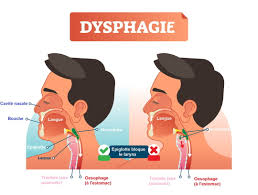
Dysphagia prevents proper swallowing of food and liquids, which can affect well-being and lead to complications if left untreated.
It results from several factors grouped into three main categories:
- Neurological causes: Stroke, Parkinson’s disease, and multiple sclerosis disrupt the muscles involved in swallowing.
- Mechanical or structural causes: Gastroesophageal reflux, tumors, and abnormalities such as Zenker’s diverticulum obstruct the passage of food.
- Muscular causes: Achalasia and esophageal spasms alter the function of the esophagus.

WHAT ARE THE SYMPTOMS?
Dysphagia manifests in various ways. Here are the signs to watch for:
- Difficulty swallowing: Food seems stuck in the throat or chest.
- Pain while swallowing: Discomfort or pain accompanies swallowing.
- Regurgitation: Food or liquids come back up involuntarily.
- Coughing or choking: Mainly occurs while eating or drinking.
- Hoarse voice: The voice changes after swallowing.
- Unexplained weight loss: May result from fear or difficulty eating.
- Frequent respiratory infections: Occur when food or liquids enter the airways.
HOW IS DYSPHAGIA DIAGNOSED?
Doctors use several tests to identify the cause of the condition:
- Barium swallow test: This test is important as it allows swallowing to be observed using X-rays.
- Endoscopy: A camera inserted into the esophagus explores the digestive tract.
- Esophageal manometry: Evaluates pressure and movements in the esophagus.
- Speech therapy assessment: Analyzes swallowing mechanics to detect possible dysfunctions.
- Respiratory and nutritional tests: Help assess the effects of dysphagia on health.
An adapted diet enhances comfort as it helps prevent complications related to dysphagia.


